

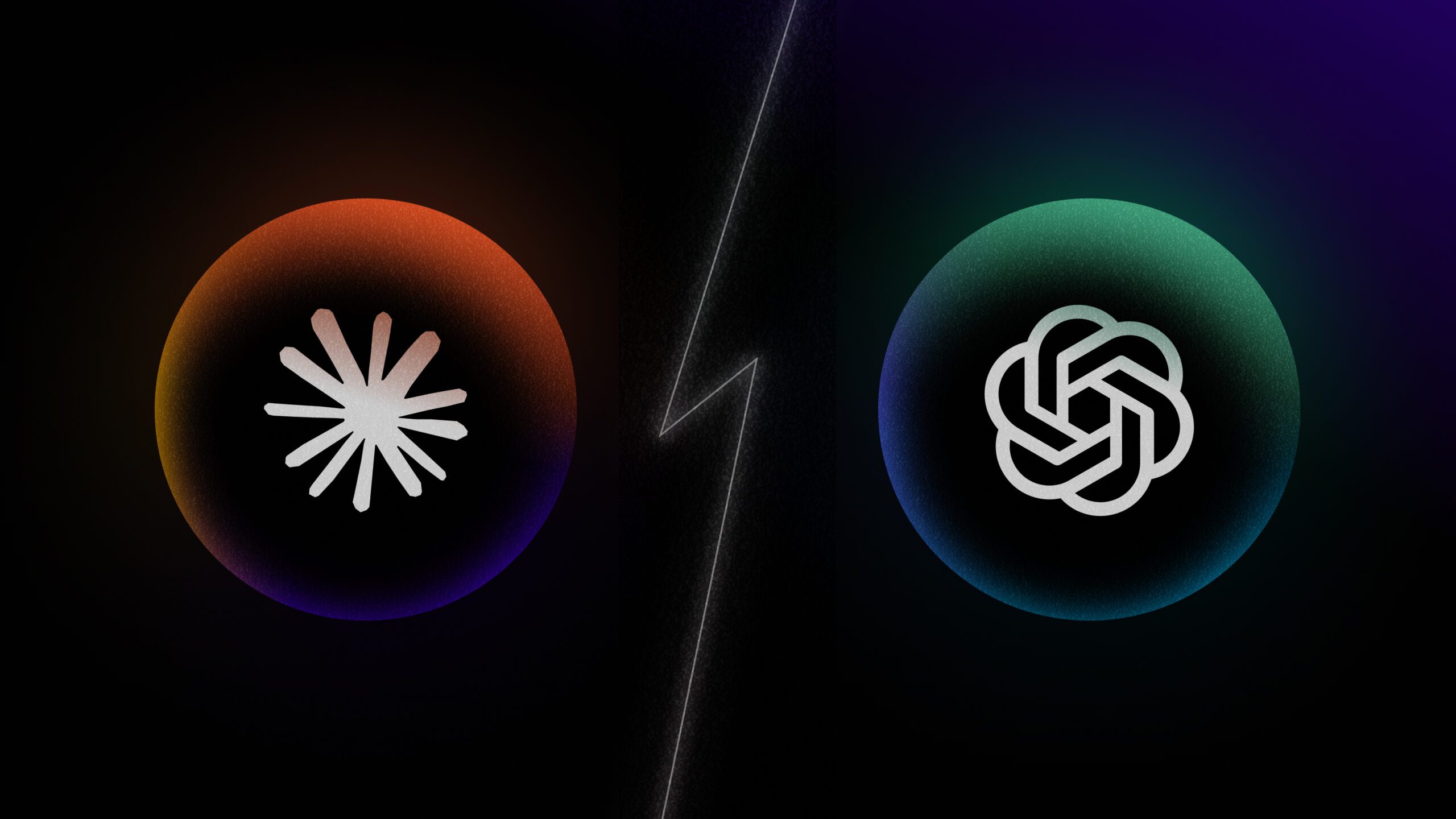
It was supposed to be a government contract. It became a big problem that showed how different people in Silicon Valley think about war, ethics and the future of artificial intelligence. When OpenAI signed a deal with the U.S. Department of War and Anthropic said no to the same deal, people all around the world started talking about it.
Within a days the number of people uninstalling ChatGPT increased by 295 percent. Claude, Anthropics AI assistant became the number one app in the U.S. App Store. A hashtag, #CancelChatGPT started trending over the world. People began asking a question: what are the limits of artificial intelligence in warfare?
The Deal That Changed Everything
OpenAI’s deal with the U.S. Department of War did not happen suddenly. For months, the company had been saying it was open to working with the government. They said that America needed to work with companies to stay ahead of other countries like China. Nobody expected the deal to be so big and to happen so fast.
According to OpenAI’s blog post, the deal includes something called a “safety stack”. This is a set of rules to prevent intelligence from being used in very bad ways in military situations. The deal also says that OpenAI’s models will only be used on government computers, not on other computers. The National Security Agency is not part of the deal.
OpenAI’s engineers will work directly with personnel. This is a way of working together that blurs the line between a company and a government agency. The deal is based on an “all uses” framework, which means that OpenAI’s models can be used for anything that is legal. Critics say this is too broad and could lead to problems.
Some observers speculate that OpenAI’s motivations for the agreement were not limited to business interests. They suggest that OpenAI may have wanted to express support for the Trump administration, which has criticized Anthropic.
Anthropic Draws a Line in the Sand
While OpenAI was working with the government, Anthropic was moving in the same direction. The company had been in discussions with the Department of War about a $200 million contract. The talks failed, and Anthropic’s CEO Dario Amodei explained why. He said that Anthropic could not agree to the Pentagon’s demands because doing so would conflict with the company’s values.
Anthropic said it would not participate in mass surveillance programs or develop weapons systems. These are systems that can identify, target and attack without oversight. The company’s statement was very clear and direct.
The Public Backlash: #CancelChatGPT Goes Global
When OpenAI signed the deal with the Department of War, people around the world started protesting. The number of people uninstalling ChatGPT increased by 295 per cent. Claude, Anthropics AI assistant, became the number one app in the U.S. App Store.
The hashtag #CancelChatGPT started trending on social media. People were upset that OpenAI’s models would be used for these purposes. They felt that this went against the company’s values and principles.
Inside the Industry: Staff Speak Out
Many people in the AI industry were also upset about the deal. Some employees at Google and OpenAI wrote a letter asking their companies to establish limits on military applications. They said that the decisions made now would shape the future of intelligence in warfare.
The Bigger Question: Is “Ethical AI” Dead?
Some people think that the deal between OpenAI and the Department of War means that the idea of ” AI” is no longer valid. They say that if the biggest AI company in the world is willing to work with the military, then other companies will follow.
Others think that Anthropics’ refusal to sign the deal has set a new standard for the industry. They say that companies will now have to think carefully about the ethics of artificial intelligence and its use in warfare.
What Comes Next
The deal between OpenAI and the Department of War has changed the consumer AI market. Claude’s rise to the top of the App Store may be temporary. It may be the start of a new trend. It depends on whether Anthropic can keep its values and principles and whether its products can compete with ChatGPT.
For OpenAI, the challenge is to show that the safeguards in its deal with the Department of War are real and effective. The company must demonstrate that its models will not be used for purposes. If it fails, the controversy will start again.
The Department of War must also learn to work with AI companies in a way. These companies have identities and consumer relationships that make them respond to social pressure. The Department of War must understand this. Engage with AI companies in a different way.
And for the rest of us. The millions of people who use Artificial Intelligence tools every day for work to be creative and to communicate with each other. This moment is a reminder that the software we depend on’s not fair to everyone. It has people who own it reasons to make money. Now it even has contracts with the military. The choice of which Artificial Intelligence assistant to use has become a choice that involves thinking about what’s right and wrong whether we like it or not.
The question is not whether Artificial Intelligence will be used in wars. It definitely will be used. The question is who gets to decide how Artificial Intelligence is used what rules it has to follow. Who is responsible for what it does? This discussion is happening now. It is very clear that it is happening.
Leave a Reply