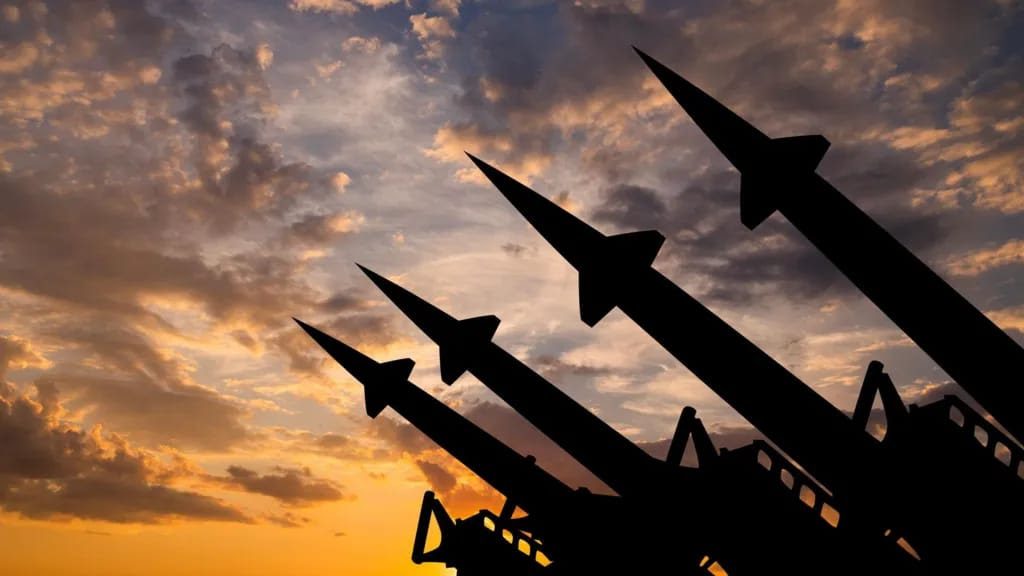

Anthropic has posted a role for a policy manager specializing in chemical weapons, high-yield explosives, and dirty bombs, tasked with preventing catastrophic misuse of its models — and OpenAI has listed a similar position focused on biological and chemical risks, with compensation reportedly as high as $455,000. The hiring signals that the major labs now consider weapons-grade threat scenarios operational concerns serious enough to warrant specialists drawn from defence and weapons fields, not generic safety teams. The uncomfortable subtext is that the models have grown capable enough to make this necessary while the regulatory frameworks governing their most sensitive use cases remain thin. There is something clarifying about this moment: when AI companies need in-house chemical weapons experts to stress-test their guardrails, the conversation has moved well past theoretical risk. Governments simultaneously pulling these tools toward military applications widens the gap between the safety language labs use publicly and the reality of how the technology gets deployed. The unresolved tension — whether the line gets drawn first by the labs, the military, or the law — is no longer an abstract policy question. It is a race with real consequences.
AI labs are getting closer to weapons risk